I. Client Profile & Cold-Chain Industry Dynamics
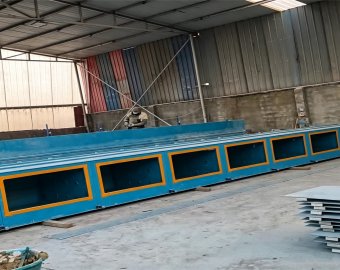
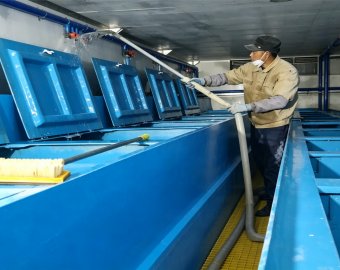
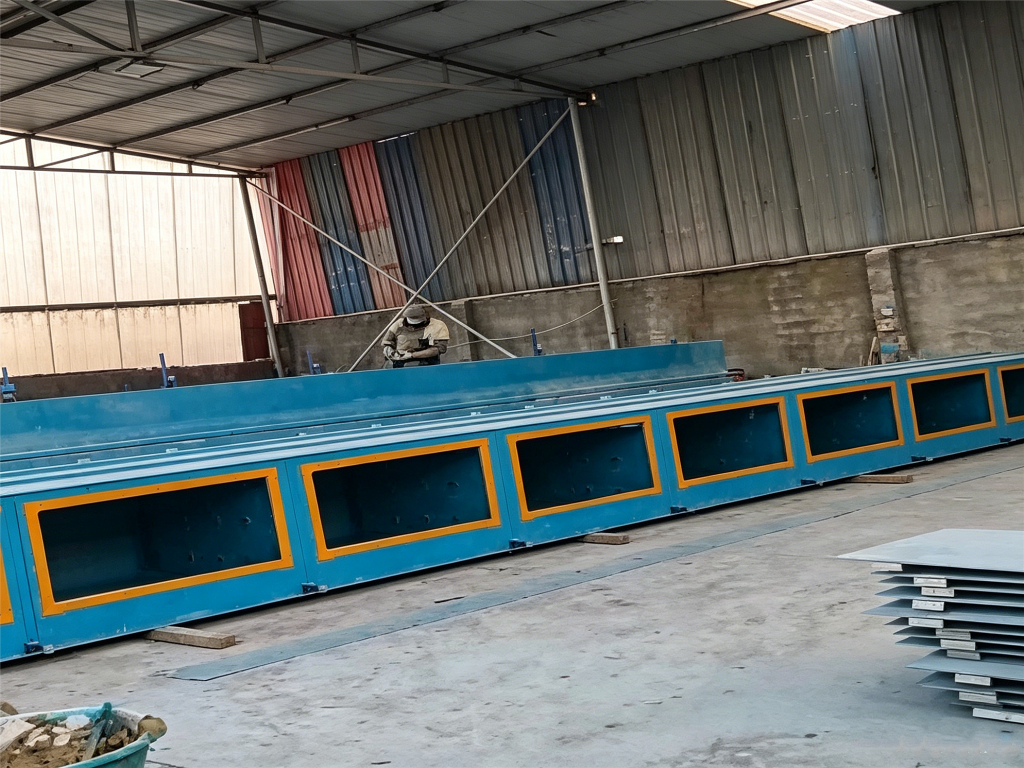
Client Profile: This technical case involves a Chinese client of us which specialized manufacturers of cold-chain aquaculture fish boxes and vehicle-mounted seafood transport crates. These B2B clients procure lightweight structural core materials in bulk for in-house downstream lamination and final box assembly.
Industry Technical Dynamics: Modern long-haul perishables logistics relies heavily on three core technological pillars: thermal insulation, optimized air circulation, and precise humidity control. For aquaculture transport, these pillars impose extremely harsh physical and chemical demands on the structural integrity of vehicle-mounted insulated boxes (fish boxes).
II. Industry Pain Points & Cold-Chain Material Conflicts
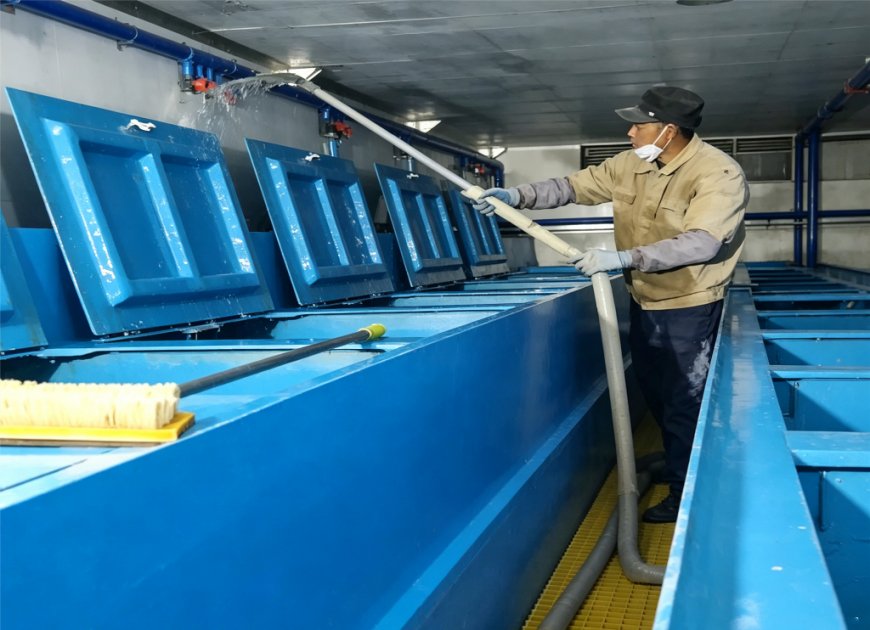
To maintain live seafood quality during long-distance transit, the container's micro-environment must be strictly regulated. Traditional insulation materials (such as standard EPS/expanded polystyrene foam) expose critical structural failures under field conditions:
Pain Point 1: Fatigue Cracking & Staggering Replacement Costs
Standard foam boxes lack structural flexibility. Under continuous road vibrations and impact loads during loading/unloading, they suffer from micro-cracking and fluid leakage. Treating these boxes as single-use packaging generates massive, unsustainable annual replacement costs for logistics enterprises.
Pain Point 2: Thermal Bridge Leaks (Insulation Degradation)
Refrigerated logistics demands a minimized heat transfer coefficient (U-factor). While foam plastics inherently possess low thermal conductivity, their structural fragility under external stress creates air gaps and thermal bridges. Once the box body deforms or cracks, the efficiency of the vehicle's entire refrigeration unit drops sharply. High-density live transport requires a rigid, high-strength core that delivers permanent structural sealing.
Pain Point 3: Weight Gain & Delamination Under High Humidity (85%–95% RH)
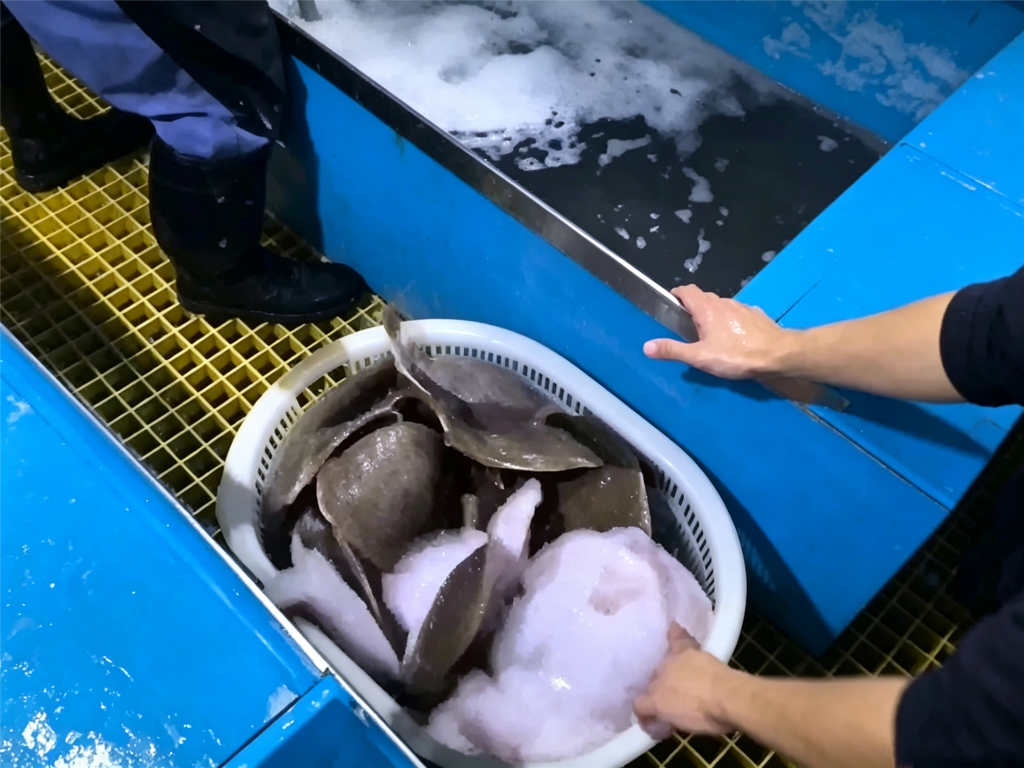
To keep seafood fresh and avoid dehydration, the interior environment must maintain a high relative humidity of 85% to 95%, often combined with direct top-icing or saltwater spraying. Under powerful air circulation, traditional wood or inferior solid plastic cores absorb moisture over time, leading to mold growth, warping, and significant weight gain. This added dead weight directly increases vehicle fuel consumption and shortens the container's service life.
III.Engineering Solution: Specialized PP Non-Woven Honeycomb Core
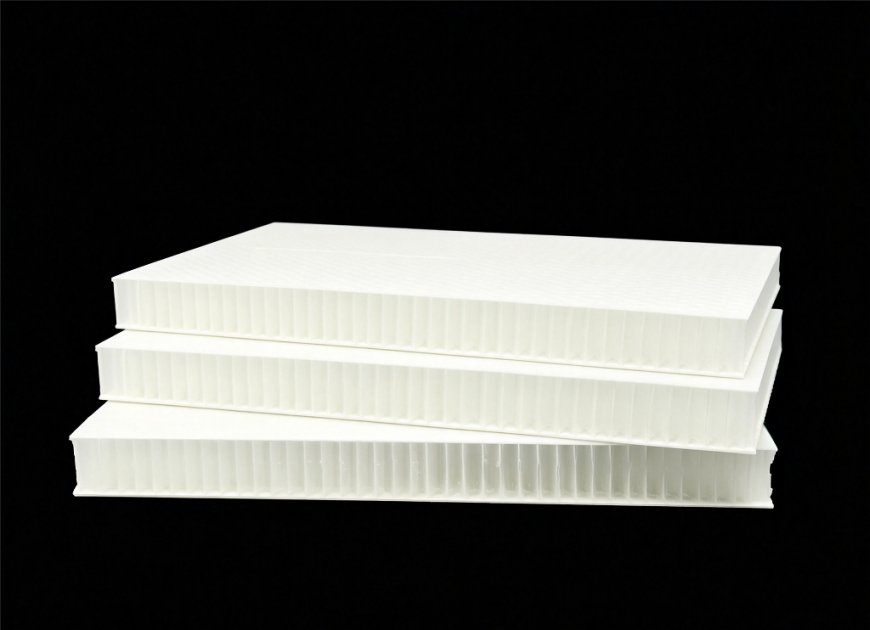
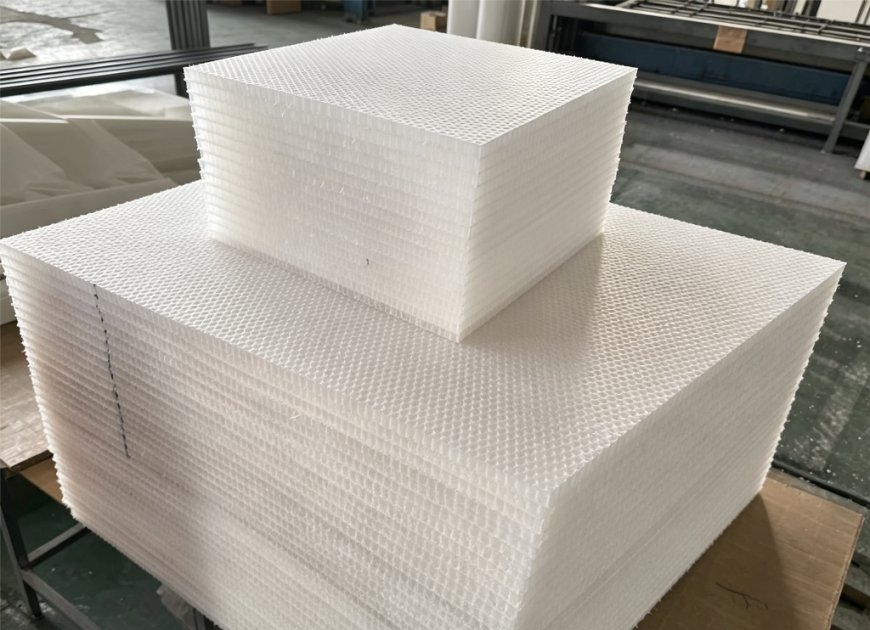
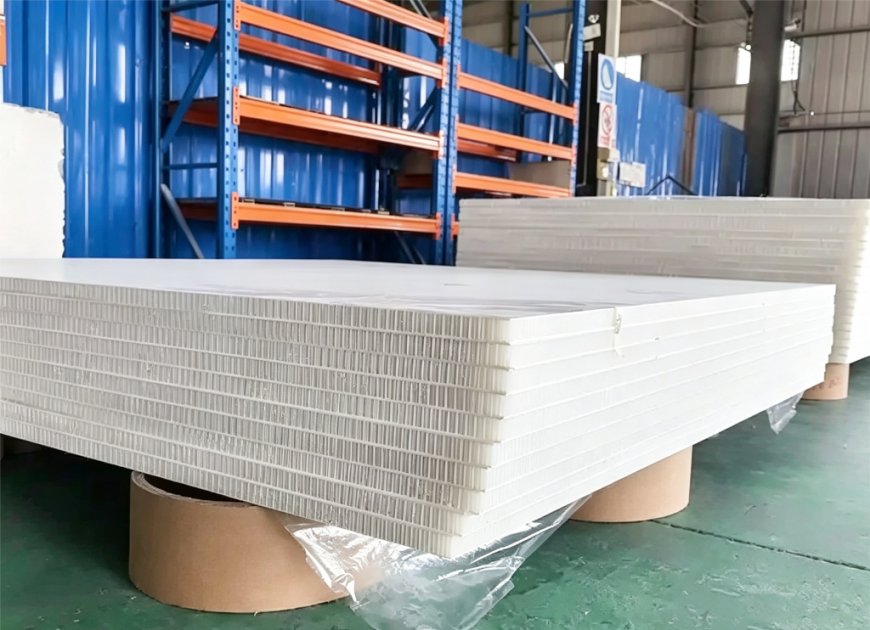
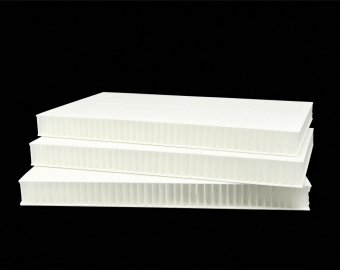
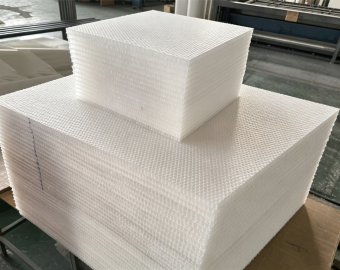
To address raw material procurement challenges and downstream secondary processing requirements, we engineered a Polypropylene (PP) Honeycomb Core integrated with a Non-Woven Fabric Layer.
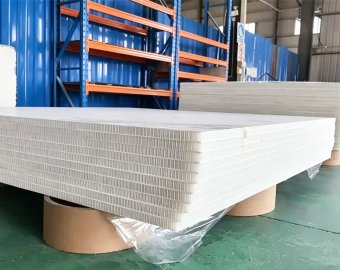
This composite raw material is delivered ready for the manufacturer's in-house secondary processing—including manual or automated resin coating, fiberglass cloth (FRP) lamination, and compression curing—enabling rapid fabrication of high-strength aquaculture boxes.
Substrate: Integrated PP honeycomb structure with a thermally bonded non-woven fabric skin, providing an ultra-flat surface and superior mechanical anchoring.
Resin-Barrier Technology & Processing Compatibility: The specialized non-woven layer acts as an effective barrier that prevents excessive resin consumption (absorption into honeycomb cells) while ensuring cross-linking compatibility with epoxy, polyester, or vinyl ester resins. Perfect for wet layout, vacuum bagging, and hot-press molding—guaranteed zero delamination and zero blistering.
On-Demand Industrial Customization: Scalable adjustments for cell diameter, core thickness, non-woven areal weight (g/m²), and sheet dimensions to match diverse vehicle-mounted fleet specifications.
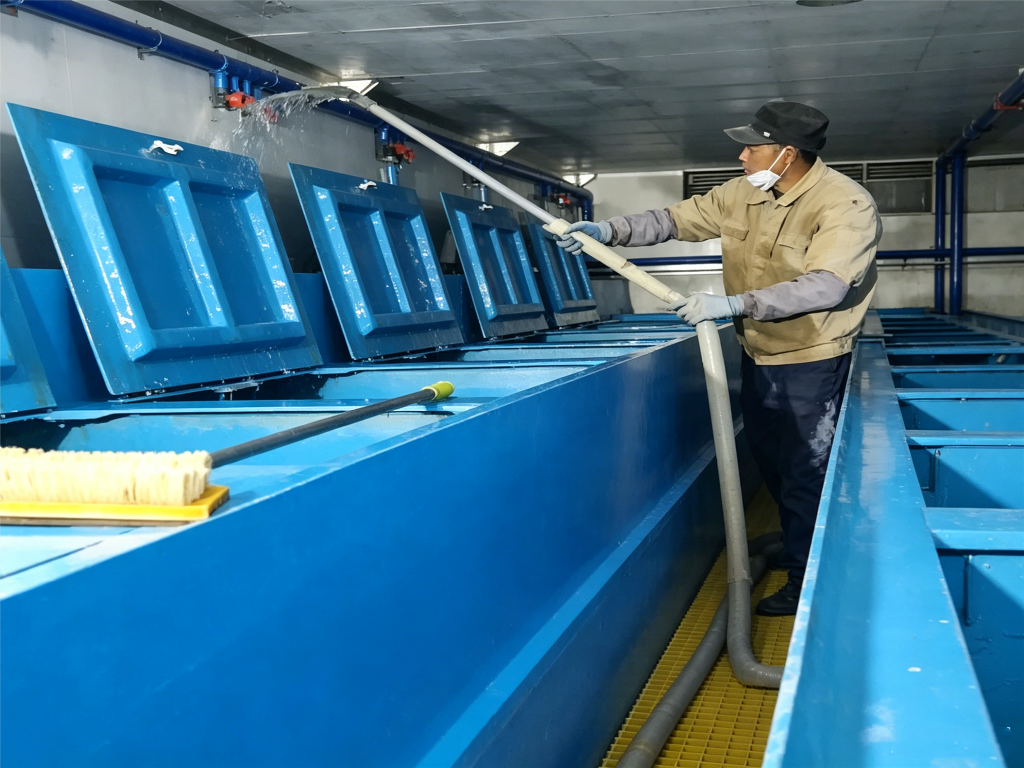
IV. Technical Performance & Material Advantages
High-Bonding Interface for Maximum Yield (Core Advantage): The integrated non-woven layer provides an exceptional mechanical interlocking surface for resins and fiberglass. This high peel-strength interface prevents delamination under thermal expansion and contraction, drastically increasing the finished box yield rate and reducing factory scrap rates.
High Strength-to-Weight Ratio vs. Fuel Efficiency: The hollow geometric structure of the PP honeycomb significantly reduces dead weight compared to traditional plywood or solid plastic sheets. Once laminated with fiberglass skins, the sandwich panel exhibits extreme flexural rigidity and impact resistance, enduring heavy road shocks while lowering vehicle fuel consumption.
Hydrophobic & Chemical Immunity: Pure Polypropylene (PP) is highly hydrophobic (near-zero water absorption) and inert to seawater, salt spray, acids, and alkalis. It eliminates the risk of rot, decay, or moisture-induced deformation under prolonged low-temperature, high-salinity conditions, maintaining a stable U-factor throughout its lifecycle.
Automated Mass Production Readiness: High dimensional stability, uniform tensile toughness, and excellent flatness tolerate high-speed automated feeding and cutting, maximizing manufacturing throughput.
V. Solution Value Summary
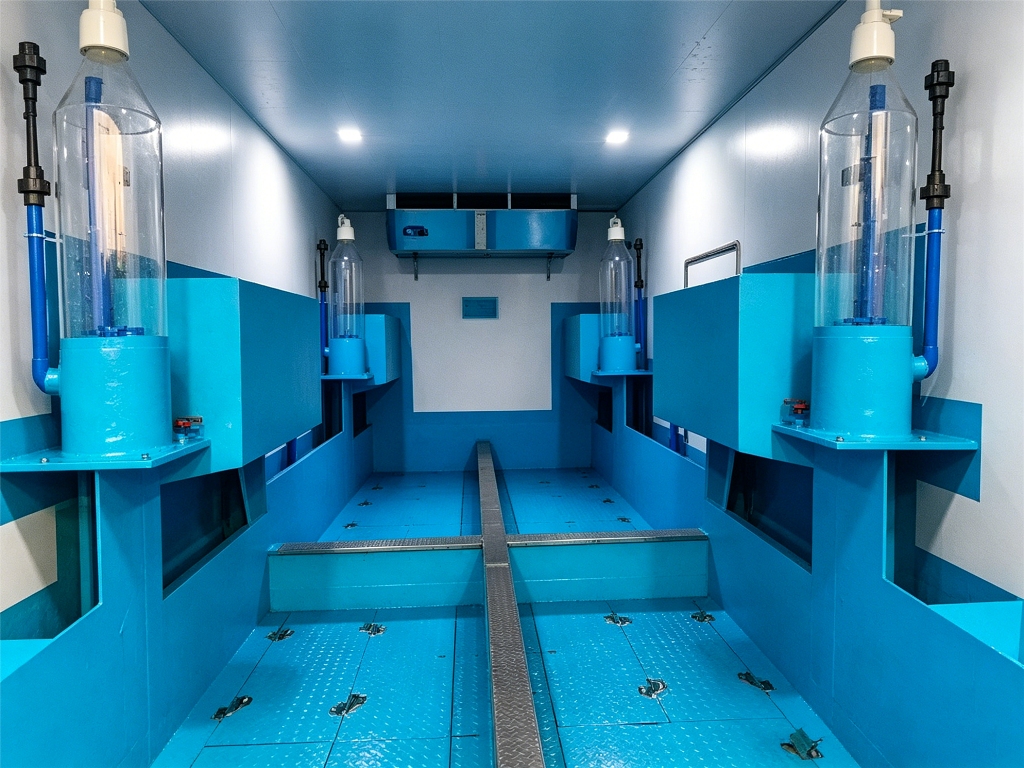
Our PP Honeycomb Core for Marine & Aquaculture Applications solves the four core manufacturing bottlenecks of aquaculture box producers: excessive weight, moisture corrosion, difficult resin lamination, and inconsistent product yield.
Backed by a deep understanding of cold-chain thermodynamics and fluid dynamics, we deliver a premium, highly processable core material. We empower manufacturers to fabricate premium vehicle-mounted aquaculture boxes that are lightweight, structurally robust, seawater-proof, and exceptionally long-lasting, directly enhancing your brand's competitive edge in the commercial B2B procurement market.
VI.Extended Customization Matrix
Core Thickness Tuning (mm) & Precise Bevel/Straight Sheet Cutting
Cell Size Optimization for Tailored Compression Strength
Areal Weight Adjustments of Non-Woven Facings for Varied Resin Viscosities
Reinforced Multi-Layer Skins and Customized Irregular Geometries
Technical solution engineered by R&D Department at Qingdao AchievingHoneycomb, 2026.