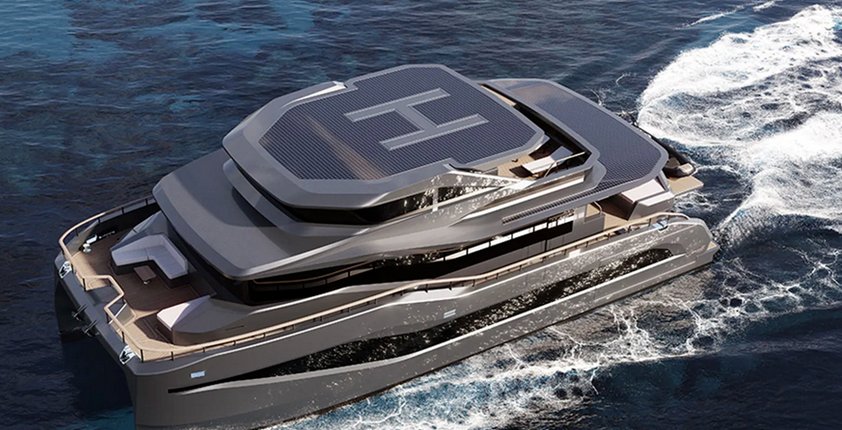
Driven by the global "dual carbon" goals, the marine leisure industry is ushering in a green transformation, and new energy electrification has become an inevitable trend in the yacht industry. The pain points of traditional fuel-powered yachts, such as pollution, noise, and high energy consumption, urgently need to be addressed. The triple forces of policy orientation, consumption upgrading, and technological iteration have jointly promoted the transformation of the yacht industry towards electrification, and also provided a broad application space for high-performance supporting materials.
First, policies force industrial upgrading. Countries around the world have introduced strict ship emission regulations. The European Union has clearly stated that carbon emissions from new leisure ships will decrease by 30% by 2030 and achieve carbon neutrality by 2050; domestically, yacht consumption has been included in the new growth points of service consumption, and multiple ministries and commissions have introduced subsidy policies to support the development of new energy yachts. The advantages of zero emissions and low vibration of electric yachts have become the only development direction in line with policy orientation.
Second, consumer demand drives transformation. With the popularisation of marine leisure, consumers pursue more comfortable, environmentally friendly and convenient experiences. The noise, fuel odor and high maintenance costs of traditional fuel-powered yachts make it difficult to meet the demand. Electric yachts operate quietly, are easy to maintain, and the electricity cost is only 1/3 of that of fuel. In addition, their intelligent control functions are in line with the needs of young groups, promoting the popularisation of electrification.
Third, mature technology provides support. Breakthroughs in power battery, motor and electronic control technologies have solved the pain points of short cruising range and slow charging of electric yachts, and their power performance is not inferior to that of fuel-powered yachts; at the same time, the electric power system is more compact, which can optimise the hull layout and improve user experience.
It is worth noting that electric yachts have higher requirements for hull materials, which need to be lightweight, high-strength, weather-resistant, durable, environmentally friendly and energy-saving. Plastic honeycomb panels exactly meet these needs. Their extreme light weight can reduce the hull weight and improve cruising range, their high-strength structure ensures navigation safety, and their salt-alkali resistance and corrosion resistance are suitable for the marine environment, making them the optimal matching panel for new energy yachts, which mutually empower the wave of electrification.